
Unveiling the Impact of Whey Protein on Cardiovascular Health
Whey protein is a high-quality protein derived from milk during the cheese-making process. It contains all nine essential amino acids, making it a complete protein source. Due to its rapid absorption and bioavailability, athletes and fitness enthusiasts often use whey protein to support muscle growth, recovery, and overall performance. However, whey protein’s potential impact on cardiovascular health extends beyond its…

Almonds: A Heart-Healthy Superfood
Among the various nutritious foods available, almonds stand out as a heart-healthy superfood. These small but mighty nuts are packed with essential nutrients and have numerous cardiovascular health benefits. Almonds are included in the portfolio diet, a dietary approach designed to improve heart health by targeting multiple risk factors. The portfolio diet incorporates specific food items shown to have cholesterol-lowering…

Introducing the Remarkable Health Benefits of Cinnamon
Cinnamon is a spice that has been cherished for centuries for its delightful aroma, distinctive taste, and remarkable health benefits. Derived from the inner bark of Cinnamomum trees, this ancient spice has played an essential role in traditional medicine and culinary practices worldwide. Beyond its culinary uses, cinnamon possesses numerous health-promoting properties that make it a valuable addition to your…

Omega-3 Fatty Acids: A Nutritional Powerhouse for Cardiovascular Health
One dietary component that has gained significant attention for its potential cardiovascular health benefits is omega-3 fatty acids. These essential fats, found in various food sources, have been extensively studied for their role in preventing cardiovascular disease. Omega-3 fatty acids are a type of polyunsaturated fats that are not produced by our bodies, making it essential to obtain them through…

Unveiling the Role of Inflammation in Atherosclerosis: Understanding the Impact on Vascular Health
The tiny layer of cells that lines the blood vessels in our body is known as the endothelium. Vascular endothelial cells line the entire circulatory system, from the heart to the smallest capillaries. These cells have distinct and unique functions that are key to vascular health. The first crucial function of the endothelium is the control of vascular tone. This…

Why is oxidation and oxidative damage so important in a heart health
Oxidation is a natural process that happens in the human body as a part of normal metabolism. It involves the reaction of oxygen with molecules in the body, which can result in the production of energy and the formation of waste products. These waste products, called free radicals, can damage cells and contribute to ageing and disease. The body has…

Blueberries for your Heart Health
Blueberries are a popular and delicious fruit containing various nutrients and bioactive compounds that work together to support cardiovascular health. These small, blue-coloured berries are rich in antioxidants, vitamins, and minerals essential for maintaining good overall health. They have been the subject of numerous studies in recent years, which have shown that they offer a range of health benefits, particularly…
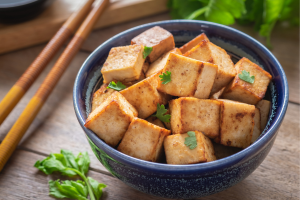
Soy benefits for heart health
Soybeans have been a staple food in Asia for centuries and have recently gained popularity in the Western world. Consuming soy products has numerous health benefits, particularly for heart health. Soybeans contain several compounds that are beneficial for heart health. One of the most important is isoflavones. Isoflavones are a type of phytoestrogen, meaning they have a structure similar to…

DASH Diet
The DASH (Dietary Approaches to Stop Hypertension) diet is a dietary pattern developed to help reduce blood pressure and improve overall health. It was first introduced in the 1990s by the National Heart, Lung, and Blood Institute (NHLBI) in the United States and has since been recognized as one of the healthiest diets for overall health and disease prevention. The…

Portfolio Diet
The Portfolio Diet is a nutritional approach designed to lower cholesterol levels and reduce the risk of cardiovascular disease. It was developed in 2003 by David J.A. Jenkins, a British-born Professor at the University of Toronto. It has since become a popular dietary approach for those seeking to reduce their heart disease risk. The Portfolio Diet aims to lower LDL…