Soy benefits for heart health
Soybeans have been a staple food in Asia for centuries and have recently gained popularity in the Western world. Consuming soy products has numerous health benefits, particularly for heart health.
Soybeans contain several compounds that are beneficial for heart health. One of the most important is isoflavones. Isoflavones are a type of phytoestrogen, meaning they have a structure similar to the hormone estrogen. Isoflavones can help to reduce LDL (bad) cholesterol levels and increase HDL (good) cholesterol levels, which can help to prevent heart disease. Soy isoflavones may also help improve endothelial function, which is vital for maintaining healthy blood vessels.
Another compound found in soybeans is saponins. Saponins are a type of plant compound that has been shown to lower cholesterol levels. They work by binding to bile acids in the intestine, which prevents them from being absorbed into the body. As a result, the liver has to use more cholesterol to make more bile acids, which can help to reduce overall cholesterol levels.
In addition to isoflavones and saponins, soybeans also contain omega-3 fatty acids. Omega-3s are a type of unsaturated fat that is beneficial for heart health. They can help to reduce inflammation in the body, which is a major contributor to heart disease.
Studies have shown that consuming soy products can positively impact several markers of heart health. For example, a meta-analysis of 35 randomized controlled trials found that consuming soy protein reduced LDL cholesterol levels by an average of 3.5%. Another study found that consuming soy products reduced triglyceride levels by an average of 10%.
In addition to these benefits, consuming soy products can also help reduce blood pressure, another important factor in heart health. One study found that consuming soy protein reduced systolic blood pressure (the top number) by an average of 2.5 mmHg.
In addition to its potential cardiovascular benefits, soy is also a nutritious food that can help to provide a range of essential nutrients, including vitamins, minerals, and fibre. Soy is a versatile food that can be incorporated into a variety of dishes, making it an easy and tasty addition to a heart-healthy diet.
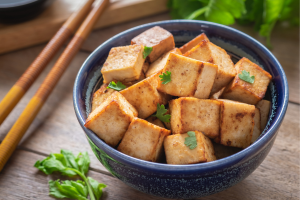
So, how can you incorporate soy into your diet? Soy products include tofu, tempeh, soy milk, and edamame. You can use tofu as a substitute for meat in stir-fries, curries, and soups. Tempeh is a fermented soy product that can be used in sandwiches and salads. Soy milk can be used in place of dairy milk in smoothies, coffee, and tea. Edamame is a delicious snack that can be enjoyed on its own or added to salads and stir-fries.
According to the American Heart Association and the US Food and Drug Administration (FDA), soy products have beneficial nutrient profiles, and daily consumption of 25 grams or more of soy protein can help lower cholesterol levels in individuals at high risk for heart disease. An average serving of soy foods provides about 6 grams of soy protein, so someone trying to lower their cholesterol should aim to eat about four servings of high-quality soy foods a day. Numerous clinical studies have found that daily consumption of up to 50 grams of soy protein is not only safe but may also be effective in improving risk factors for chronic diseases such as some types of cancer, diabetes, and cardiovascular disease. There is little basis for concern that excessive amounts of dietary soy in those with or at high risk for breast cancer will lead to adverse health effects. If a breast cancer patient or person at high risk for this disease enjoys eating soy, occasional consumption does not appear to pose much risk; however, these individuals should always consult their doctors before adding soy to their diets.
Did you like this article and want more tips and advice?
* DISCLAIMER: The content of this article is not intended to constitute or be a substitute for professional medical advice, diagnosis, or treatment. Always seek the advice of your doctor or other qualified health care provider with any questions you may have regarding a medical condition. Never disregard professional medical advice or delay in seeking it because of something you have read in any media published by myself.