Dirty dozen and clean fifteen
Though I recommend buying organic produce whenever you can, unfortunately, it is often relatively expensive and less readily available. Stocks can often depend on the time of year or where you live; not every town has a good organic food supplier. For these reasons going 100% organic just isn’t realistic for most of us.
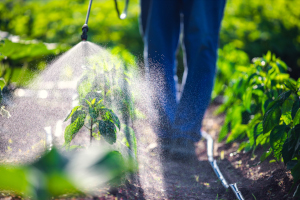
Because the levels and numbers of pesticides can vary considerably from crop to crop, especially with fruit and vegetables, it is worth educating yourself about this. Dirty Dozen and Clean 15 is a Shopper’s Guide produced and updated yearly by the Environmental Working Group (EWG), a US not-for-profit organisation that looks into protecting human health and the environment. This booklet was designed to assist people to avoid exposure to pesticides as much as possible. It explains which 12 conventionally farmed fruit and vegetables are better to buy from organic sources, as they have the highest concentrations of pesticides, while the Clean 15 is a list of produce that have few, if any, detected pesticide residues, and are the safest to buy conventionally. Although this booklet is aimed at the US market, I have found this guide to be very helpful. It is still relevant in the UK, as though there will be some differences in the particular chemicals used, it remains the case that certain plants are more or less susceptible to contamination wherever they have been grown, and conventional farming methods are quite similar in both nations. You can find more information about pesticide use in UK specifically at the Pesticide Action Network UK website http://www.pan-uk.org.
The Clean 15 and Dirty Dozen lists make it easier for you to decide which conventionally grown foods are safe and healthy to eat, and which are worth spending a little extra on to go organic.
For the printable lists click here.
In addition, I would strongly recommend buying organic meat, poultry, dairy products and eggs. Conventionally farmed animal products contain hormones, antibiotics, and pesticides. Farmers give animals antibiotics and hormones to promote livestock growth. The pesticides found in cows, chicken, turkey and other animals comes from their feed which is grown using synthetic fertilizers and herbicides. In contrast, organic product means that animals did not receive any antibiotics or growth hormones and they only consumed 100 percent organic feed.
Did you like this article and want more tips and advice?
* DISCLAIMER: The content of this article is not intended to constitute or be a substitute for professional medical advice, diagnosis, or treatment. Always seek the advice of your doctor or other qualified health care provider with any questions you may have regarding a medical condition. Never disregard professional medical advice or delay in seeking it because of something you have read in any media published by myself.