

The Mediterranean Diet
The Mediterranean diet has been around for centuries and is considered one of the healthiest diets in the world. It is often seen as the gold standard when it comes to reducing the risk of cardiovascular disease (CVD). Following this diet has been linked to numerous positive effects on CVD risk factors, such as lowering cholesterol levels and blood pressure and reducing the risk of diabetes.
It is based on the traditional dietary and lifestyle habits of people living in the Mediterranean region, which includes countries such as Greece, Italy, Spain, Croatia and Morocco. Although the original diet comes from southern Europe, this plan can be adapted to different lifestyles and cultures while maintaining effectiveness.
The Mediterranean diet is based on several important dietary principles that have been proven beneficial for overall health and wellness.
The first principle is to eat a variety of foods. The Mediterranean diet includes a wide variety of foods, including fruits, vegetables, legumes, grains, nuts, fish, poultry, and dairy products. This helps to ensure that you are getting a variety of different nutrients and vitamins from the foods you eat.
The second principle is to use healthy fats. Olive oil is the primary source of fat used in the Mediterranean diet. This type of fat is rich in monounsaturated fatty acids, which are beneficial for heart health. Olive oil is also a good source of antioxidants, which can help protect the body from free radical damage.
The third principle is to limit processed and refined foods as they often contain unhealthy amounts of sugar, sodium, and trans fats, which can lead to a variety of health problems. Limiting these types of foods can help to ensure that you are getting the best nutrition from your diet.
As in every food pyramid, products situated at the base of the pyramid should be the basis of the diet, and food in a narrower, top layer should be consumed in moderation.
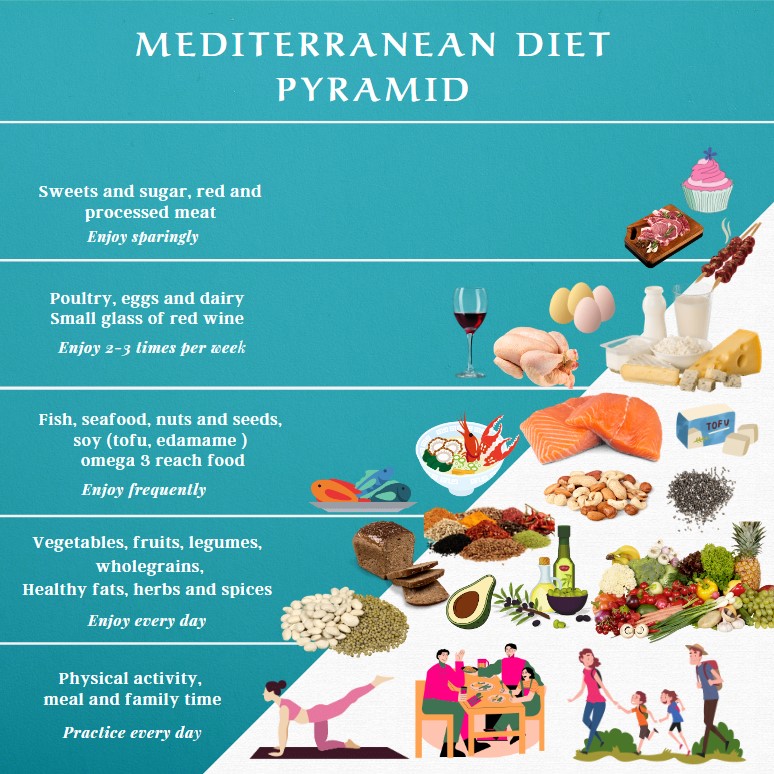
In a nutshell:
The Mediterranean diet is characterized by an abundance of plant-based foods such as whole grains, fruits, vegetables, and legumes consumed on a daily basis.
Fish, seafood, nuts and seeds are enjoyed frequently.
Dairy products, poultry, and eggs are consumed in low to moderate amounts ( about 2-3 times per week), while red meat is only eaten a few times per month.
Olive oil is the primary source of dietary fats, and herbs and spices are used to flavour food.
Red wine can be enjoyed in moderation with meals (a maximum of 1-2 glasses per day for men and one glass for women).
Processed food should be avoided.
In addition to eating healthy foods, the Mediterranean diet encourages physical activity. It is an important component of the Mediterranean diet and can help to improve overall health and well-being. Regular physical activity can help people feel energized and positive and can help to reduce the risk of developing certain chronic diseases. Regular physical activity has many benefits for the body and mind, such as reducing the risk of cardiovascular disease, type 2 diabetes, obesity, and depression. People can choose activities that suit their lifestyle and fitness level, such as walking, jogging, cycling, swimming, or playing sports. Activities such as gardening, cleaning, and doing housework can also be included.
Additionally, family time is an invaluable part of the Mediterranean diet. The Mediterranean diet encourages families to come together over meals cooked with fresh ingredients. Spending time together as a family over meals allows for connection, bonding, and a sense of shared purpose. It is also an opportunity for families to discuss their day and share stories. Eating together is an integral part of the Mediterranean culture and allows families to explore different flavours and textures of food. The Mediterranean diet emphasizes the importance of quality time with family, which can greatly affect a person’s mental and physical health.
The Mediterranean diet has been well-studied in the scientific community for its heart health benefits and has been strongly and robustly supported by evidence from long-term observational studies and randomized trials. It was associated with lower levels of total cholesterol, LDL cholesterol, and triglycerides, as well as a reduction in risk factors associated with cardiovascular disease. Pursuing this dietary pattern was related to a lower risk of developing type 2 diabetes and hypertension. Other studies also noted that following a Mediterranean diet was correlated with a lower risk of stroke and a lower risk of developing coronary artery disease.
Did you like this article and want more tips and advice?
* DISCLAIMER: The content of this article is not intended to constitute or be a substitute for professional medical advice, diagnosis, or treatment. Always seek the advice of your doctor or other qualified health care provider with any questions you may have regarding a medical condition. Never disregard professional medical advice or delay in seeking it because of something you have read in any media published by myself.