What is Cholesterol
If you are reading this, you are probably concerned about cholesterol, but I have a surprise for you. Cholesterol can not only be harmless, but it is actually vital for life!
Because cholesterol has received so much bad press over the last decades, most people think that it is something harmful, damaging and should be avoided. But the truth is that cholesterol is absolutely essential for life.
Cholesterol is a fat-like, waxy substance found in all animals, including humans; it’s crucial for pretty much every single cell in the body and plays several critical roles in human health.
Cholesterol is a building block of every cellular membrane. It is essential for cellular integrity and function and key for cellular communication (it determines which molecules pass into the cells and which ones cannot).
Cholesterol is vital for brain health! In fact, the brain is the organ that utilises the most cholesterol in the body (about 25% of the body’s cholesterol is found in the brain). It is used to build and maintain the myelin sheath, a protective coating around all of our nerves. Brain synapses are almost entirely made of cholesterol.
Cholesterol is a precursor of all steroid hormones, including all the sex hormones like progesterone, oestrogens and testosterone, as well as adrenal hormones.
Cholesterol is also essential for the metabolism, and use of all the fat-soluble vitamins, including Vitamin A, Vitamin D, Vitamin E and Vitamin K. Vitamin D is synthesised from cholesterol. It is also the main component of bile, essential for proper food digestion and absorption.
Especially crucial given the COVID-19 pandemic, cholesterol plays a significant role in our innate immune response, protecting us. It helps to repair our cells and regulate inflammation.
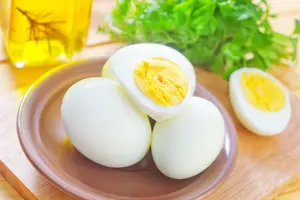
As you can see, the demand for cholesterol in our bodies is pretty high. It would be tough to get it entirely from food (unless you eat about eight egg yolks every day). So, the liver has to produce the vast majority of it to meet the requirements. And guess what! Our body is so clever that it can slow down cholesterol production in the liver if we get a lot of it from food.
However, sometimes this mechanism becomes compromised. For example, insulin resistance can lead to increased cholesterol production by interfering with that control mechanism.
The discovery of cholesterol deposits in the sclerotic plaques led to the routine association between cholesterol and atherosclerosis. This led to something called a lipid hypothesis, which suggests that cholesterol plays a role in causing heart disease. The problem is that the presence of cholesterol in atherosclerotic plaques does not prove its causative role, and the aetiology of atherosclerosis is far more complicated.
Cholesterol in itself is neither good nor bad; it is essential. It is carried by different lipoprotein particles and those particles in various circumstances might promote either health or disease. It is the various lipoprotein molecules, which carry cholesterol, that determine the level of risk or protection against CVD, not the cholesterol within them.
You can find out more about atherosclerosis and lipoproteins in our next blogs.
Did you like this article and want more tips and advice?
Want to know more?
* DISCLAIMER: The content of this article is not intended to constitute or be a substitute for professional medical advice, diagnosis, or treatment. Always seek the advice of your doctor or other qualified health care provider with any questions you may have regarding a medical condition. Never disregard professional medical advice or delay in seeking it because of something you have read in any media published by myself.